Studio air green autumn 2026

Alessandro Marchi
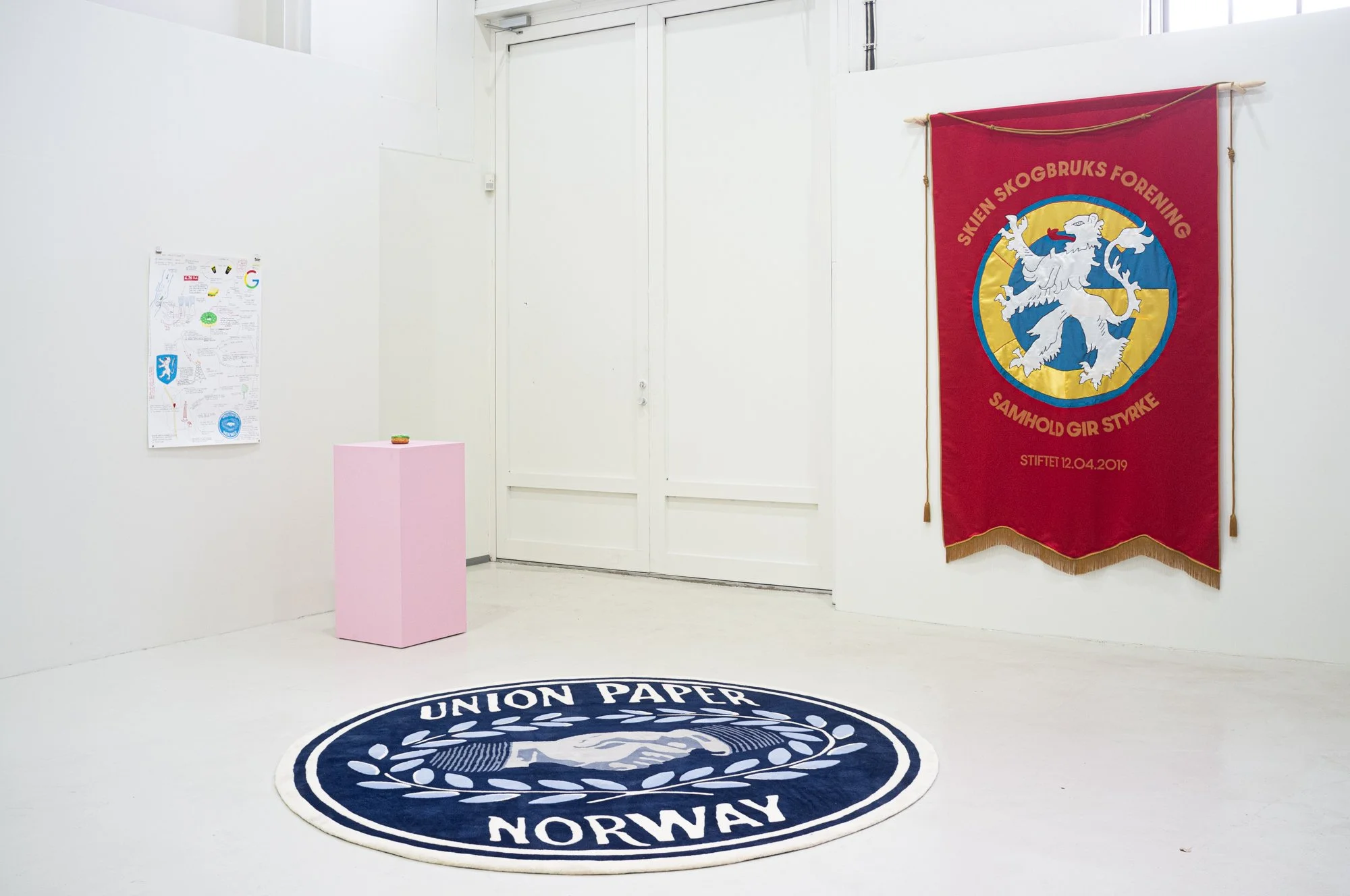
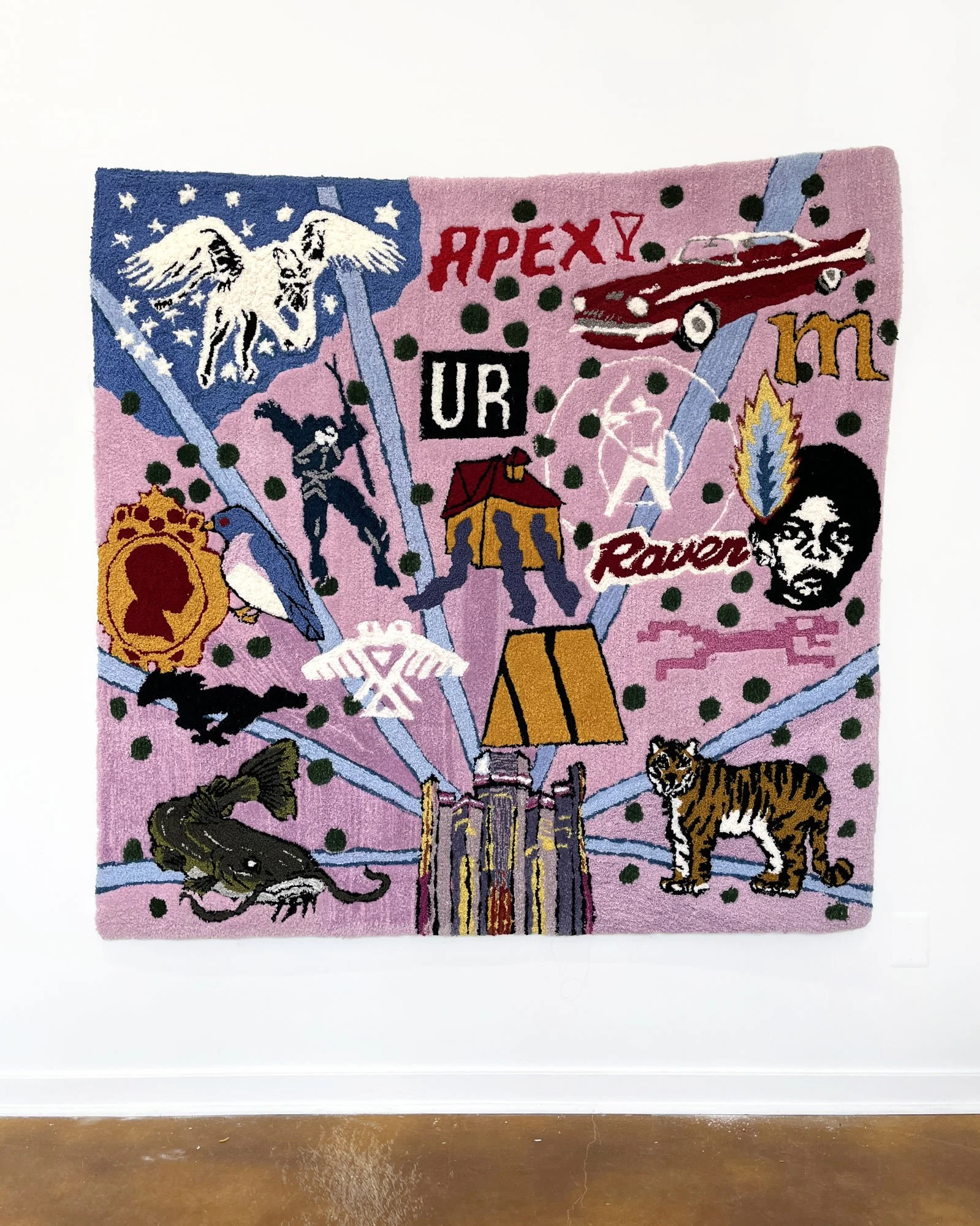
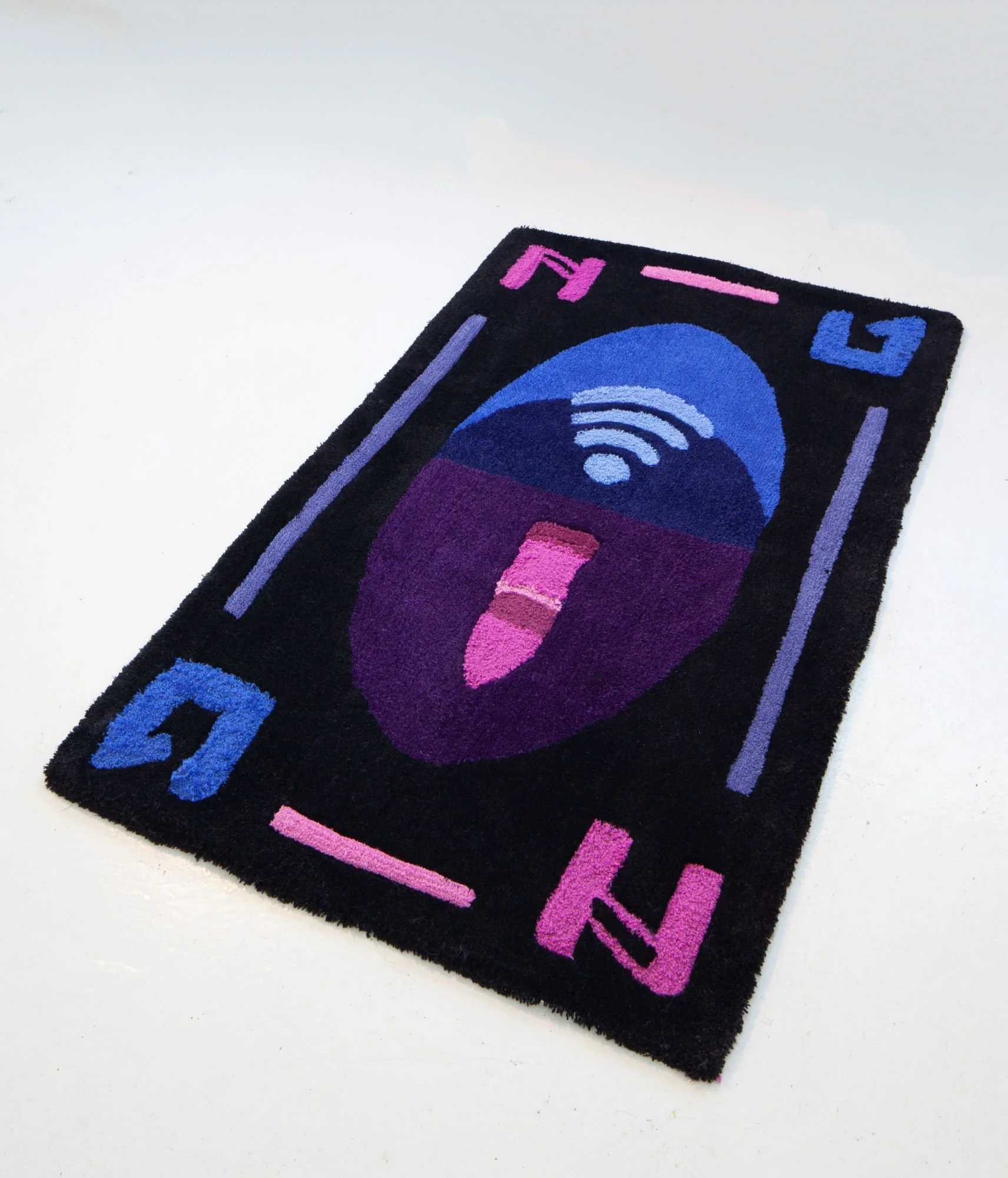
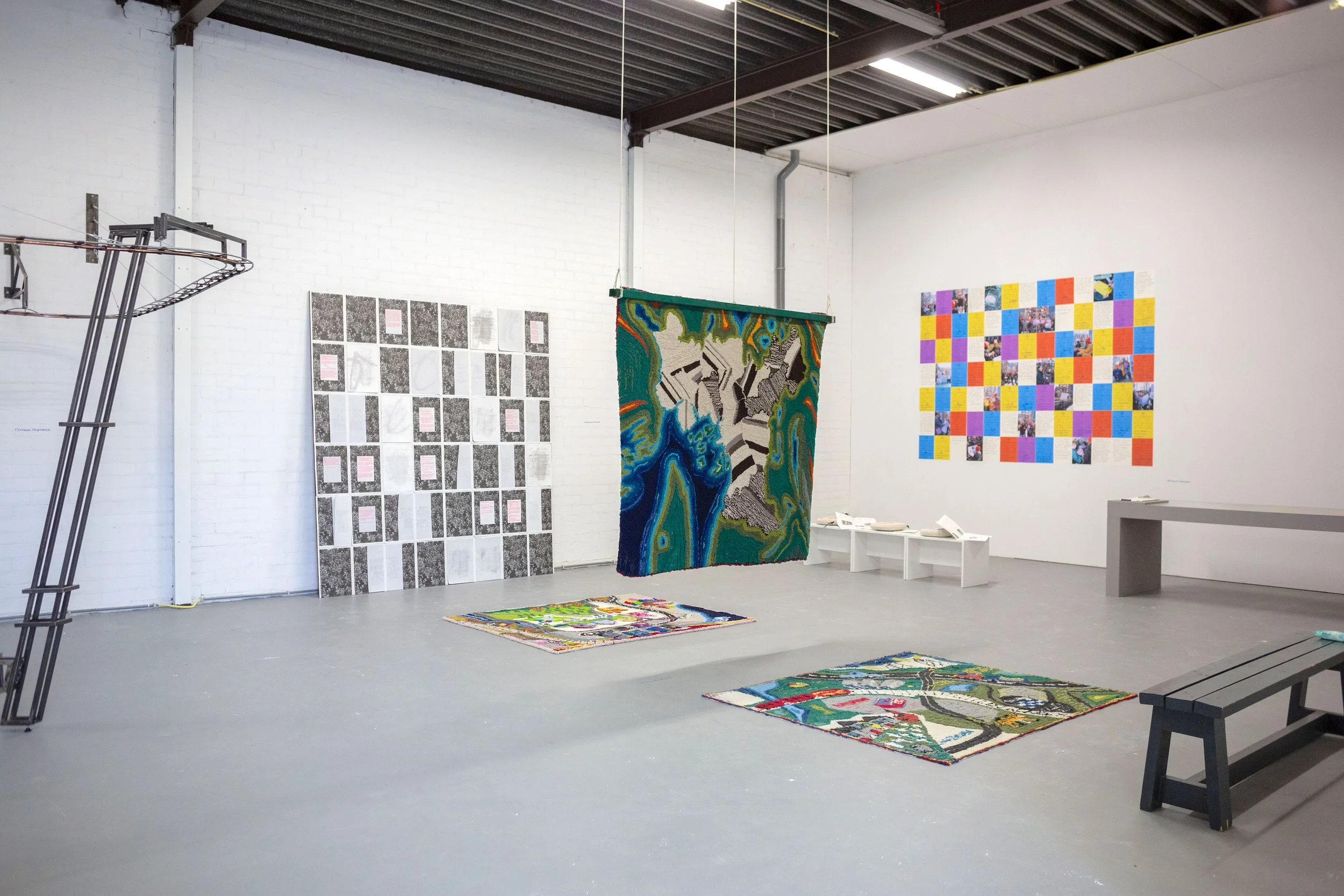
Alessandro is an Italian artist based in Oslo. Marchi’s artist practice delves into the human-altered landscape, ownership dynamics, and public space, exploring the perpetual negotiation and modification of our inhabited environments. Through experimental and site-specific works, installations, artist books, walks, textiles, sculptures, maps, and video, Marchi investigates the intersection of economics, politics, and spatial planning in shaping shared territories. Mapping is at the core of his practice, situated at the intersection of the informative and the experiential. Marchi holds an MFA, Kunsthøgskolen i Oslo (2020) and an MSC in Mechanical Engineering in Bologna (2002). His works have been exhibited internationally in Italy, Spain, Germany, France, Croatia, Norway, Czech Republic, Slovakia, Sweden, Netherland, USA and UK.
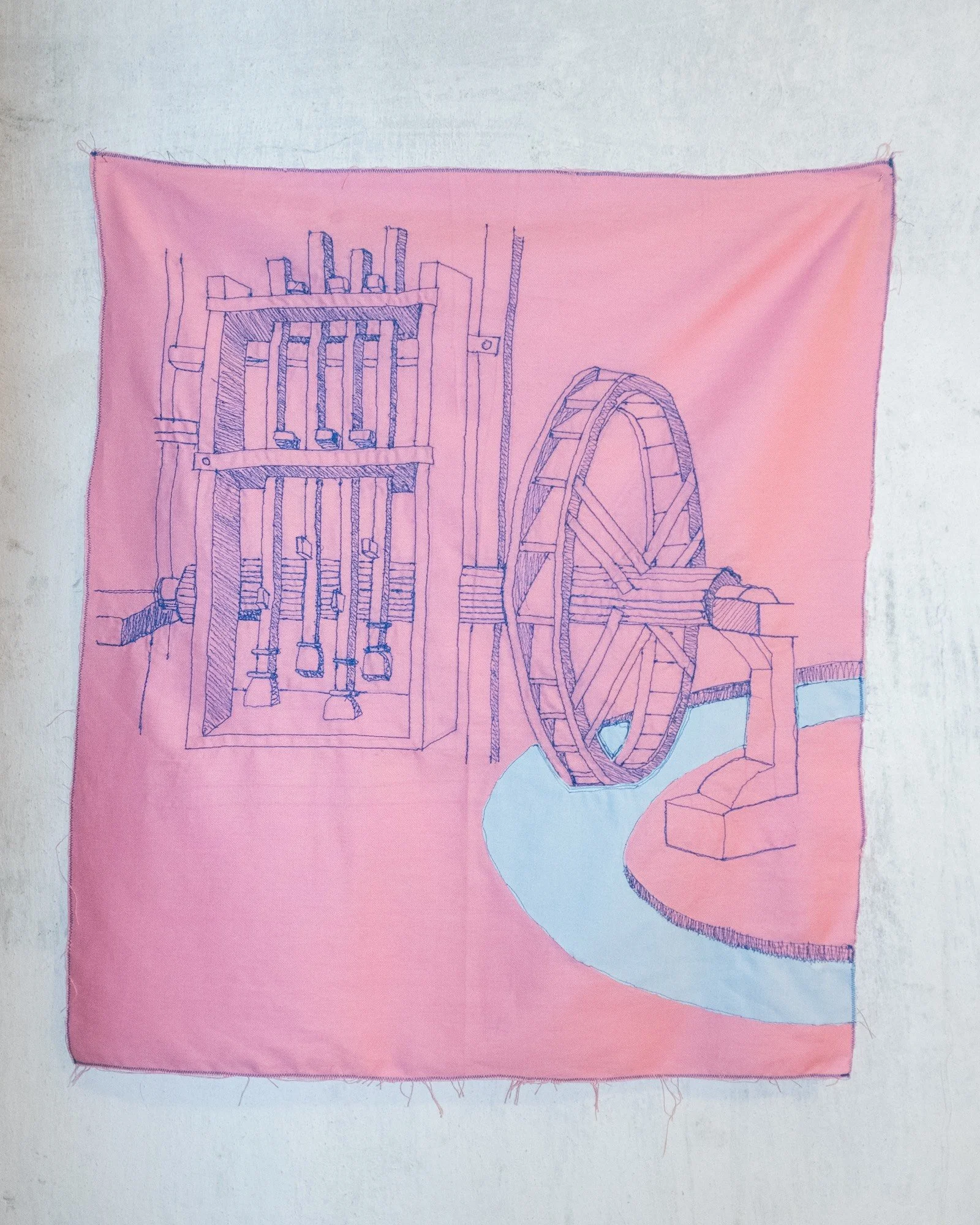
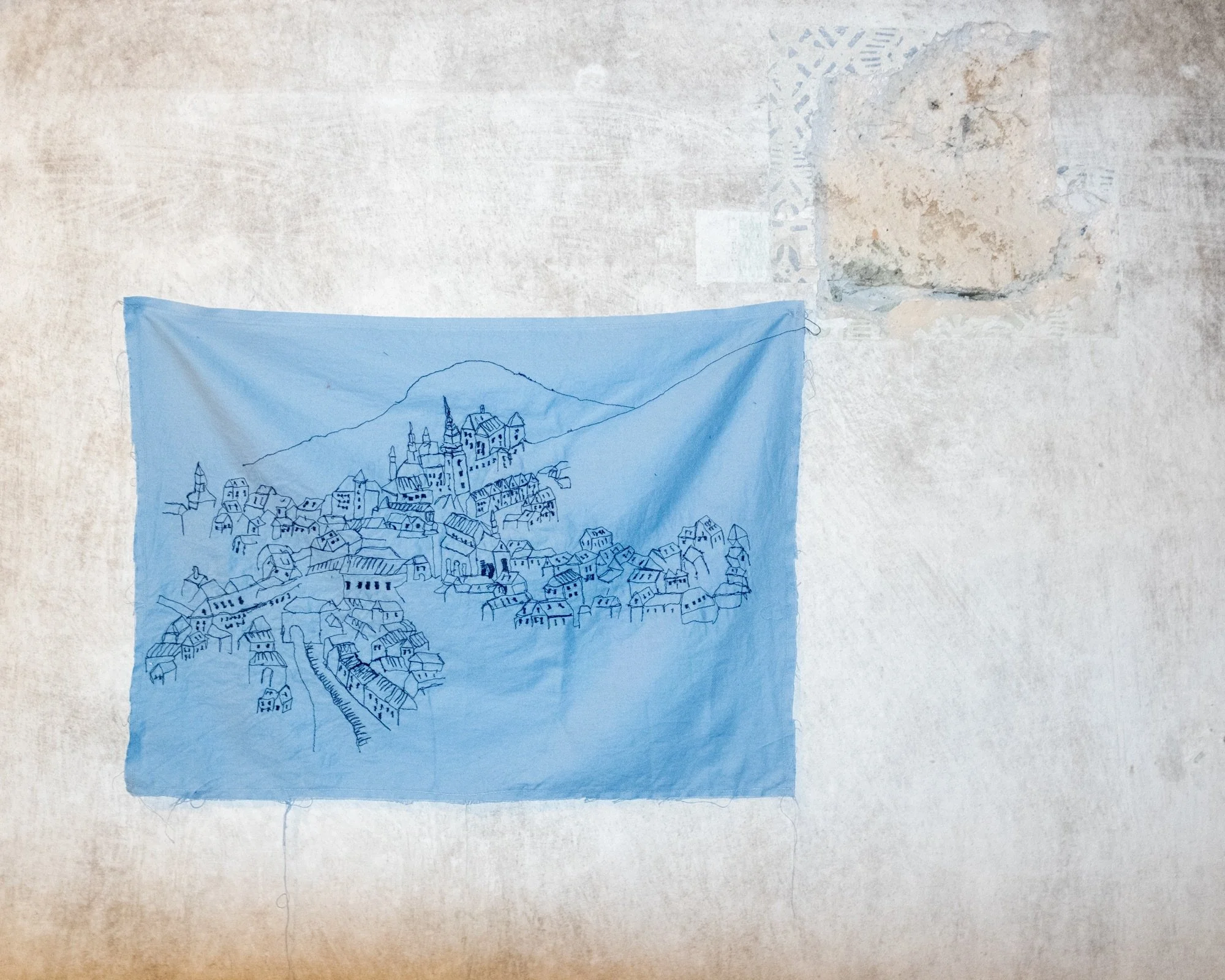
“I grew up in Romagna, a region in the north east of Italy where hills fade into the sea, farming traditions and small industries coexist, winding wineries, and pig farms dot the landscape. A traditional craft of the region is a wood block printing technique wherein home textiles have been decorated for generations. The motifs are typically grapes, roosters, vines and ears of corn, folkloristic fertility symbols. The colour for the prints is extracted from metal scrap. It’s printed by wood blocks, carved into pruned pear wood trees. The finished products are used as table cloths, aprons and dining room decorations.
With this upcoming project I will use this traditional folk technique to create patterns from industrial machines and technologies of extraction and colonisation.
The technique itself, passed through generations, carries the memory of a localized, pre-industrial world. Imposing the blueprints of globalized, industrial-scale extraction onto it, stages a confrontation between two opposing forces: one rooted in place and tradition, the other in displacement and conquest.
The textiles that I will use are passed down to me from my great grandmother though my grandmother and my mother. By using those trans-generational textiles I will connect to my family's rural heritage while challenging my own gendered engineered perspectives.
The ground for these prints is a deeply personal one: unused textiles inherited from my grandmother, originally intended for domestic beddings. These fabrics act as a silent witness, a soft archive of women's invisible labor and the private sphere. By using it as the canvas for these colonial blueprints, I stage a confrontation between the intimate world of the home and the global project of empire, literally layering the archive of public power onto the fabric of private life.
Ultimately I am attempting to put our folkloristic art history into play. The final prints owe a lot to local traditions. My motifs however, attempt to include how the local and global; farmers and industrialists; and nurture and exploitation have all formed a synthesis.”
Alessandro Marchi